What are the requirements for a dummy hotel booking for a Schengen visa, and what is the process for acquiring one?

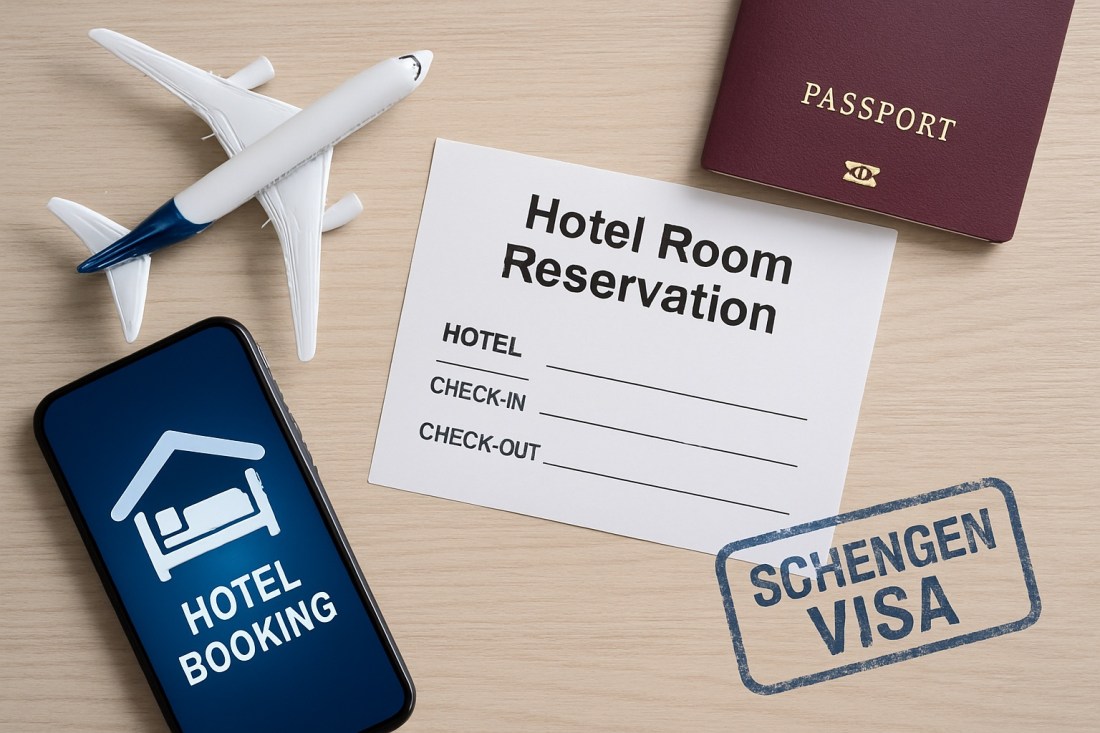
A dummy hotel booking is a temporary, cancellable reservation used to show proof of accommodation for visa purposes. It is not a confirmed paid stay, but it serves as valid documentation to support your visa application. When applying for a Schengen visa, you will need to provide proof of your hotel reservation. This is compulsory if you plan to stay at a hotel during your visit to the Schengen Area. Alternatively, you may stay at the residence of a friend or family member. Therefore, you are required to fulfill specific requirements related to accommodation.

Here are the general requirements for hotel bookings for a Schengen visa application:

Booking confirmation: The embassy may require proof of a hotel reservation. Ensure that the booking covers your entire stay in the Schengen Area.

Hotel contact information: Each hotel should provide verifiable details such as its name, address, and contact number.

Payment receipt: You may need to pay a booking fee in advance. Submit the receipt as proof of payment to the embassy.

Duration of stay: Indicate the full period of your planned hotel stay, which should correspond to the entire duration of your visit.

Multiple bookings: If you plan to visit multiple locations, provide separate booking details for each hotel where you intend to stay.

Please note that the requirements for hotel booking depend on the country you are planning to visit. Therefore, it is advisable to consult the embassy of the specific country to obtain detailed and up-to-date information. This guidance will also help ensure a smooth visa application process and timely approval.

Process of Acquiring a Hotel Reservation for a Visa Application

The process of obtaining a hotel booking confirmation for visa purposes is relatively straightforward. Numerous travel companies offer this service online, though only a few provide reliable and reasonably priced options. If the applicant chooses a reputable service provider, such as Schengen Visa Itinerary, there is no need to worry about the validity of the reservations.

The process can be completed by following these steps:

1. Go to Schengen Visa Itinerary.

2. Choose the product “Hotel Booking Plan Only.”

3. Provide the required information.

4. Make the online payment.

5. Receive an email with all the details of your hotel reservation.

6. Print the email and present it to the visa official at your appointment.

These services also provide flight reservations and affordable travel insurance to help complete your visa requirements.

What is a flight ticket, and do I need to book one before applying for a visa?

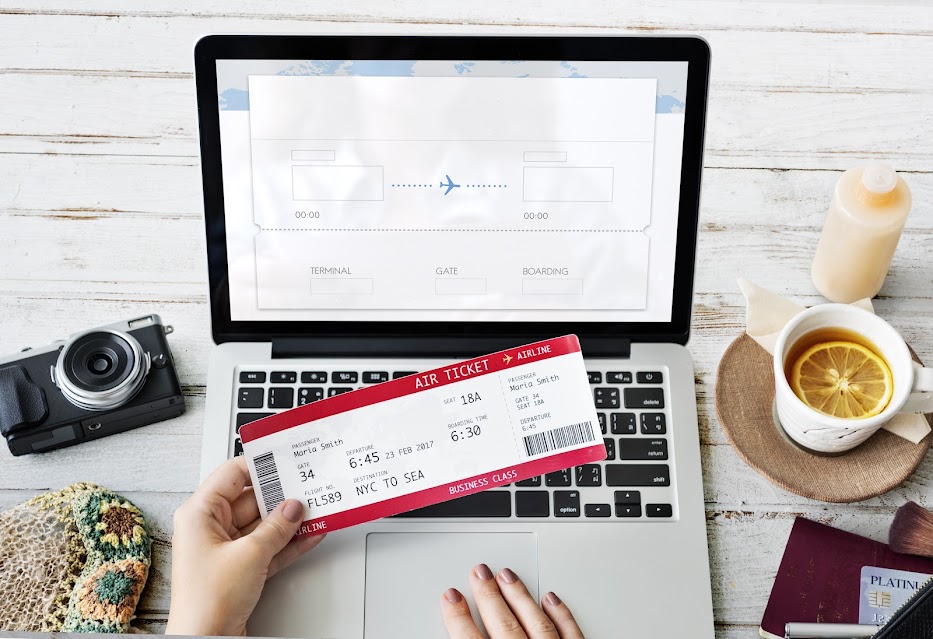
A flight ticket is an official document or electronic record that confirms that a passenger has purchased a seat on a specific flight operated by an airline. It serves as proof of payment and booking, and it allows the passenger to check in and board the plane.

A flight ticket typically contains the following information:

• Traveler’s full name 

• Airline and flight number 

• Flight reservation number or booking ID 

• Departure and arrival dates 

• Airport IATA codes 

• Ticket price 

• Details of any connecting flights, if applicable 

Do I need to book a flight ticket before applying for a visa?

No, it is not necessary to book a flight ticket before applying for a visa. Many embassies understand that applicants may be reluctant to purchase a ticket before their visa is approved. Therefore, they generally accept a flight itinerary or reservation instead. In some cases, they even recommend waiting until the visa is granted before making a full purchase.

Applicants can submit a flight reservation or dummy ticket as proof of their intended travel dates and destination. This approach is generally advisable for the following reasons:

Risk of financial loss: If the visa is denied, a fully paid, non-refundable ticket may result in lost funds. 

Itinerary requirement: A confirmed itinerary is often needed for the visa application process, even if it is not a paid ticket. 

Dummy tickets: These are simulated flight bookings showing travel details without requiring full payment. They are widely accepted by visa authorities. 

Embassy guidelines: Many consulates recommend against buying non-refundable tickets before the visa is issued. 

Alternative options: Refundable tickets, reservations through travel agencies, or dummy tickets are valid substitutes. 

How to Obtain a Flight Itinerary for Visa Purposes:

1. Visit the Schengen Visa Itinerary website. 

2. Choose the appropriate travel package (flight itinerary) based on your needs. 

3. Submit your flight details and proceed with the payment. 

4. Receive your flight itinerary via email. 

5. Print the email and include it in your visa application or interview. 

These services may also offer additional resources, such as hotel reservations and travel insurance, to help fulfill visa requirements.

If you have any questions or need further assistance from our experienced professionals, please don’t hesitate to contact us.

What is a flight ticket, and do I need to book one before applying for a visa?

A flight ticket is an official document or electronic record that confirms that a passenger has purchased a seat on a specific flight operated by an airline. It serves as proof of payment and booking, and it allows the passenger to check in and board the plane.

A flight ticket typically contains the following information:

• Traveler’s full name 

• Airline and flight number 

• Flight reservation number or booking ID 

• Departure and arrival dates 

• Airport IATA codes 

• Ticket price 

• Details of any connecting flights, if applicable 

Do I need to book a flight ticket before applying for a visa?

No, it is not necessary to book a flight ticket before applying for a visa. Many embassies understand that applicants may be reluctant to purchase a ticket before their visa is approved. Therefore, they generally accept a flight itinerary or reservation instead. In some cases, they even recommend waiting until the visa is granted before making a full purchase.

Applicants can submit a flight reservation or dummy ticket as proof of their intended travel dates and destination. This approach is generally advisable for the following reasons:

Risk of financial loss: If the visa is denied, a fully paid, non-refundable ticket may result in lost funds. 

Itinerary requirement: A confirmed itinerary is often needed for the visa application process, even if it is not a paid ticket. 

Dummy tickets: These are simulated flight bookings showing travel details without requiring full payment. They are widely accepted by visa authorities. 

Embassy guidelines: Many consulates recommend against buying non-refundable tickets before the visa is issued. 

Alternative options: Refundable tickets, reservations through travel agencies, or dummy tickets are valid substitutes. 

How to Obtain a Flight Itinerary for Visa Purposes:

1. Visit the Schengen Visa Itinerary website. 

2. Choose the appropriate travel package (flight itinerary) based on your needs. 

3. Submit your flight details and proceed with the payment. 

4. Receive your flight itinerary via email. 

5. Print the email and include it in your visa application or interview. 

These services may also offer additional resources, such as hotel reservations and travel insurance, to help fulfill visa requirements.

If you have any questions or need further assistance from our experienced professionals, please don’t hesitate to contact us.

What factors should be considered when selecting travel insurance for Europe?

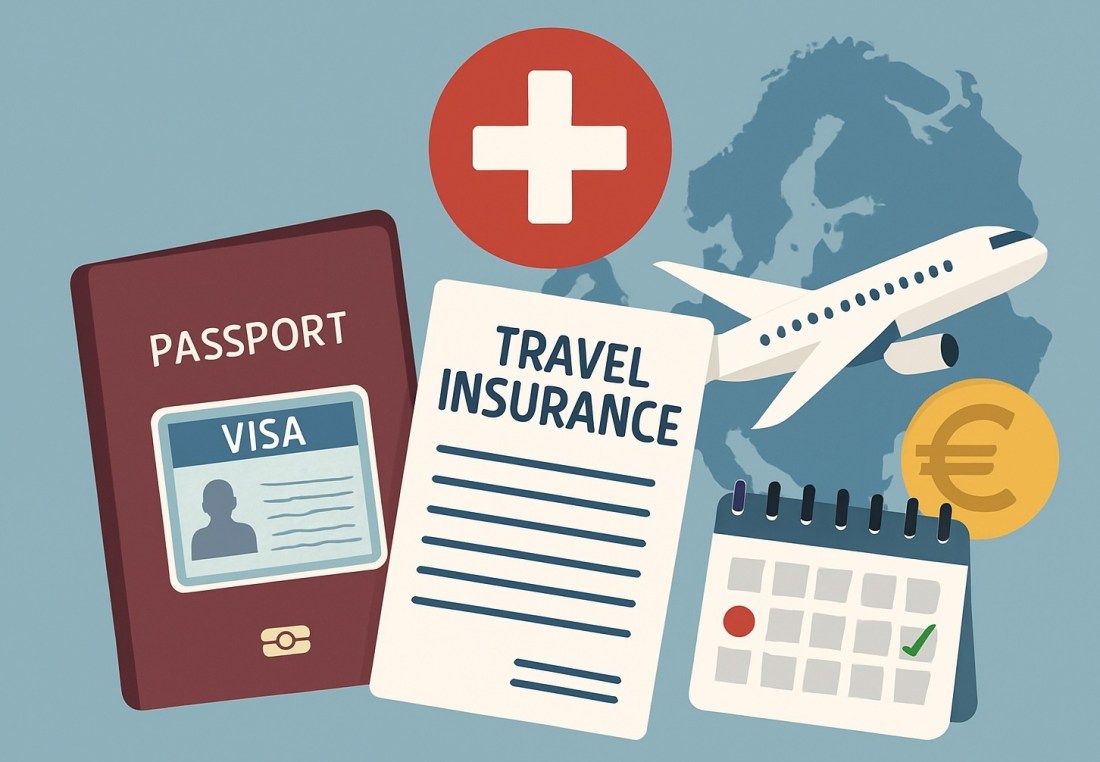
Having travel insurance for Europe is certainly wise. Even when travelling to nearby countries, unexpected events may occur. Flights could be cancelled, luggage lost, and phones or tablets stolen. Although no one wants to consider the possibility of injury or illness while on holiday, accidents can happen anywhere. European travel insurance can provide reassurance and peace of mind, ensuring that you are covered when you need it most.

When purchasing the ideal travel insurance policy for Europe, you should carefully consider the following aspects:

• Duration of Coverage: When purchasing travel insurance for Europe, consider the length of your trip. Your policy should cover the entire duration. If you travel frequently, you may want to opt for a multi-trip insurance policy.

• Cost of Coverage: When selecting travel insurance for Europe, it is important to compare various policies based on their premiums and the extent of coverage they offer. This will help you choose the most cost-effective option.

• Age and Health Considerations: Age is a key factor when selecting travel insurance. If you have elderly family members traveling with you, they may require specialized policies with higher coverage limits and provisions for pre-existing medical conditions.

• Review the Coverage Scope: Always read the fine print of the policy to fully understand the scope of coverage and any exclusions. Pay close attention to what is and is not covered—this may include pre-existing medical conditions or high-risk activities.

Comprehensive travel insurance policies typically offer broader protection against a wide range of potential issues. It is always advisable to carefully review the policy terms and exclusions before purchasing to ensure that it aligns with your needs and travel plans.

Tips for Travel Insurance Purchase

While some basic factors may already be apparent, it is beneficial to understand what to consider when purchasing travel insurance:

• Always compare various plans by examining multiple insurers and the specific plan variants they offer. 

• If you are unsure how to select travel insurance for your trip, consult public forums for user reviews and assess the company’s overall reputation. 

• Always verify the company’s claim settlement ratio before finalizing your purchase. 

• Pay close attention to deductibles, especially if you are opting for a low-premium travel insurance plan. 

• Always declare any pre-existing medical conditions, as this will help you find a plan that provides coverage and does not reject claims related to these conditions.

Additionally, if you are looking for an affordable travel insurance provider, our team at Schengen visa Itinerary has crafted several tailored packages to make the process seamless. These packages are designed to meet the needs of various types of travellers and include not only travel insurance for the visa, but also other essential documents, such as a hotel booking and a flight itinerary for visa applications.

If you need any assistance with the upcoming trip, please do not hesitate to contact us.

What are the reasons for making a hotel reservation for a Schengen visa instead of actual bookings?

When applying for a Schengen visa, it’s common and often advisable to provide hotel reservations (also called dummy bookings or proof of accommodation) instead of making actual, paid hotel bookings.

Here are the main reasons why hotel reservations are preferred over actual bookings:

Financial Loss in the Event of a Schengen Visa Rejection

In the event of a visa rejection or processing delay, applicants may incur substantial financial losses—especially if they have prepaid for non-refundable hotel accommodations. This risk is particularly relevant for Schengen visas, which often require applicants to provide hotel reservations covering the full duration of their intended stay.

At a minimum, you may choose to make confirmed hotel reservations for one week and then use Schengen Visa Itinerary to generate provisional bookings for the remainder of your stay.

A Visa Is Granted Solely for the Duration of Your Hotel Reservations

While the Schengen visa allows a maximum stay of 90 days, it is not automatically granted for the full duration. The validity of your visa typically depends on the number of days for which you provide proof of accommodation.

For example, if you submit hotel reservations covering 10 days, your visa will likely be issued for that same 10-day period.

To ensure greater flexibility in your travel plans, it is advisable to include an additional three days before and after your intended travel dates.

Inflexibility in Altering Your Travel Arrangements

By prearranging all of your hotel reservations, you are compelled to follow your initial itinerary. For instance, if you decide to extend your stay in France by an additional two days, you may be unable to do so because you have already paid for your existing hotel reservation.

It is advisable for a traveler to initially reserve accommodations for three days and then make additional bookings on a day-by-day basis.

Minimize Your Evidence of Financial Sustenance

When embarking on international travel, it is necessary to provide evidence of financial capacity, such as bank statements, to demonstrate that you have sufficient funds to support yourself throughout your trip. For instance, in order to obtain a Schengen visa, it is necessary to possess a minimum of 80 EUR every day for the duration of the stay.

However, if you prearrange all of your hotel reservations, you may not be able to present them as acceptable proof, which could lead to a visa denial. 

It is more prudent to make provisional hotel reservations for visa purposes and finalize actual bookings only after obtaining the visa.

Avoiding Scams and Getting Professional Help

To avoid scams when making a dummy hotel reservation, we recommend using Schengen Visa Itinerary to book a hotel without making full payment. 

These services also provide flight reservations and affordable travel insurance to help fulfill your visa requirements.

Important Tip

Always check the specific requirements of the embassy or consulate you are applying to, as some may: 

• Require fully refundable bookings 

• Accept dummy bookings or reservation confirmations 

• Insist on bookings that can be verified online or via phone

Why Do You Need a Dummy Flight Ticket for Visa Applications?

A dummy flight ticket is a temporary flight reservation used primarily for visa applications. It is not a paid ticket—just a reservation or itinerary showing your intended travel dates, destinations, and return details.

Why You Might Need a Dummy Flight Ticket for a Visa Application:

• Proof of Travel Plans: When applying for a visa, you are often required to present documents such as an onward or return ticket to show that you intend to leave the country after your visit. To meet this requirement, though, one does not have to have a real ticket; a dummy flight ticket can be sufficient.

• Cost-Effective Solution: Purchasing an actual flight ticket before you get your visa can be risky. If the authorities deny your visa, most of the ticket money may be lost as cancellation charges. A dummy flight ticket helps you eliminate this type of financial risk.

• Proof of Sustenance: For certain visa types, such as a Schengen visa, you must prove your financial resources, indicating that you can access at least $100 per day during your stay. In addition to this proof, one may provide a dummy ticket to show the intention of traveling in the given country without purchasing real tickets.

• Visa Application Requirement: Many embassies require applicants to provide evidence of flight booking when applying for a visa. A dummy ticket fulfills this requirement without requiring full payment.

• Flexibility: A dummy ticket offers the flexibility to change flight details without incurring a cancellation fee. This is especially useful if visa processing takes longer than expected.

Other Additional Uses:

• Immigration Clearance: If necessary, present a dummy ticket at immigration counters.

• Proof of Return: Show the embassy or consulate that you have a booked return ticket to your home country.

• Expedited Passport Renewals: Most countries, including the United States, issue new passports faster if you can provide proof of an upcoming trip.

• Car Rentals: Some car rental agencies may request proof of travel, which can be provided using dummy tickets.

Additionally, if you are looking for a trustworthy and verifiable flight reservation provider, consider trying Schengen Visa Itinerary. They can help you book a dummy ticket for your Schengen visa application, which can later be converted into a confirmed ticket or cancelled if your visa is rejected.

This approach can potentially save you hundreds—or even thousands—of dollars, as dummy tickets booked through their website are typically valid for two to three weeks. They offer free visa application consulting, along with options to purchase a flight itinerary, hotel reservation and travel insurance.

If you have any questions or require further assistance from experienced professionals, please do not hesitate to contact us.

How far in advance should I purchase travel insurance, and why should I buy it early?

It is generally recommended to purchase travel insurance as soon as possible after booking your trip—ideally within 14 to 21 days of your initial trip payment. While you can technically buy insurance up until the day before you depart, buying early offers significant advantages and broader protection.

Even if you don’t need travel insurance to enter the Schengen Area, it’s still a wise decision to have it. Travel insurance can cover you for medical emergencies, compensate you if your belongings are lost or stolen, or reimburse you if you have to cancel your trip.

Why buy travel insurance early?

1. Eligibility for Trip Cancellation Benefits

Many policies cover trip cancellations only if the insurance is purchased shortly after booking. This ensures protection for non-refundable expenses (like flights, hotels, or tours) in case you have to cancel due to a covered reason, such as illness, injury, or a family emergency.

2. Access to “Cancel for Any Reason” (CFAR) Add-ons

CFAR coverage—one of the most flexible options—is usually only available if you buy your policy within 14–21 days of your first trip payment. It allows you to cancel for reasons not included in standard coverage, such as personal conflicts, work commitments, or changing your mind.

3. Protection Against Pre-Departure Risks

Buying early ensures you’re covered for unexpected events that may occur before your trip starts, such as a natural disaster, civil unrest, a medical emergency, or travel supplier bankruptcy.

4. More Policy Options and Better Coverage

Purchasing early gives you access to a wider range of insurance providers and policy types, allowing you to compare coverage and choose the one that best suits your travel needs.

5. Peace of Mind

Traveling is less stressful when you know you’re covered from the moment you make your first booking. Early insurance means you won’t have to scramble for coverage at the last minute or risk missing out on crucial benefits.

6. Visa Requirements Compliance

For destinations like the Schengen Area, travel insurance is often mandatory for visa approval. Buying early ensures you meet all documentation requirements in time.

Additionally, if you are looking for an affordable travel insurance provider, our team at Schengen Visa Itinerary has crafted several tailored packages to make the process seamless. These packages are designed to meet the needs of various types of travelers and include not only travel insurance for the visa but also other essential documents, such as hotel bookings and flight itineraries for visa applications.

Conclusion:

The earlier, the better. Buying travel insurance soon after booking ensures you maximize your benefits, reduce financial risk, and travel with peace of mind. If your trip is an investment, early travel insurance is a smart way to protect that investment from the unexpected.

How do I submit proof of accommodation for a visa application?

Most embassies and consulates around the world will ask you to submit proof of accommodation alongside the other documents, especially if you are applying to visit one of the European countries. The reason behind such a requirement is that the immigration authorities of every country want to know where you will be staying throughout your trip, and telling them that you will be staying at a hotel or at a friend’s house is not enough. You will have to submit proof of where you are planning to stay. However, to many, this requirement might seem confusing and frustrating, especially because every country has different rules and requests when it comes to proof of accommodation.

Submitting proof of accommodation for a visa application typically involves providing documentation that shows where you will be staying during your visit. This is a key requirement for many visa types, especially tourist or short-term visit visas. Here’s how you can do it:

Common Types of Proof of Accommodation 

1. Hotel Reservation or Booking Confirmation

•         Must include your full name, dates of stay, hotel name and

address. 

•         Must match your travel dates on the visa application. 

•         Often generated through booking websites (e.g., https://www.schengenvisaitinerary.com/). 

2. Invitation Letter with Proof of Address

•         If staying with a friend or relative. 

•         The letter should include: 

•         Host’s full name and contact information 

•         Your name and relationship 

•         Duration of stay 

•         Full address where you’ll be staying 

•         Attach a copy of the host’s ID/passport and a utility bill or lease as proof of their address. 

3. Rental Agreement

•         If you have leased a property. 

•         Must include your name, address of the property, rental dates, and signatures. 

4. Tour Package Itinerary

•         If traveling with a tour group. 

•         A letter or document from the tour operator confirming your accommodation details. 

Though most countries require you to submit proof of accommodation, especially in Europe, in many others you will only need to show proof of means of subsistence. This means you must show proof, such as a bank statement, demonstrating that you have sufficient funds to support yourself during your trip, including accommodation.

Third-party reservations made under someone else’s name are not acceptable for visa applications. However, bookings from reputable services like Schengen Visa Itinerary are acceptable for hotel reservations or proof of accommodation when applying for a Schengen visa. These services also provide flight reservations and affordable travel insurance to help you fulfill your visa requirements.

How do I submit proof of accommodation for a visa application?

Most embassies and consulates around the world will ask you to submit proof of accommodation alongside the other documents, especially if you are applying to visit one of the European countries. The reason behind such a requirement is that the immigration authorities of every country want to know where you will be staying throughout your trip, and telling them that you will be staying at a hotel or at a friend’s house is not enough. You will have to submit proof of where you are planning to stay. However, to many, this requirement might seem confusing and frustrating, especially because every country has different rules and requests when it comes to proof of accommodation.

Submitting proof of accommodation for a visa application typically involves providing documentation that shows where you will be staying during your visit. This is a key requirement for many visa types, especially tourist or short-term visit visas. Here’s how you can do it:

Common Types of Proof of Accommodation 

1. Hotel Reservation or Booking Confirmation

•         Must include your full name, dates of stay, hotel name and

address. 

•         Must match your travel dates on the visa application. 

•         Often generated through booking websites (e.g., https://www.schengenvisaitinerary.com/). 

2. Invitation Letter with Proof of Address

•         If staying with a friend or relative. 

•         The letter should include: 

•         Host’s full name and contact information 

•         Your name and relationship 

•         Duration of stay 

•         Full address where you’ll be staying 

•         Attach a copy of the host’s ID/passport and a utility bill or lease as proof of their address. 

3. Rental Agreement

•         If you have leased a property. 

•         Must include your name, address of the property, rental dates, and signatures. 

4. Tour Package Itinerary

•         If traveling with a tour group. 

•         A letter or document from the tour operator confirming your accommodation details. 

Though most countries require you to submit proof of accommodation, especially in Europe, in many others you will only need to show proof of means of subsistence. This means you must show proof, such as a bank statement, demonstrating that you have sufficient funds to support yourself during your trip, including accommodation.

Third-party reservations made under someone else’s name are not acceptable for visa applications. However, bookings from reputable services like Schengen Visa Itinerary are acceptable for hotel reservations or proof of accommodation when applying for a Schengen visa. These services also provide flight reservations and affordable travel insurance to help you fulfill your visa requirements.

Should You Pay for a Flight Itinerary Upfront, and How Can You Get One Without Paying for Visa Purposes?

It’s generally not recommended to pay for a flight itinerary upfront when applying for a visa. Visa requirements often ask for a flight itinerary or reservation, but they rarely demand a paid ticket. Waiting for visa approval before purchasing a ticket can prevent potential financial loss if your application is rejected or delayed.

Most embassies and consulates prefer to see a flight reservation or itinerary as proof of travel plans, rather than a paid ticket. This is one of the essential documents that demonstrates your travel plans and helps the embassy or consulate determine your entry and exit dates.

Third-party reservations made under someone else’s name are not acceptable for visa applications. However, bookings from reputable services like Schengen Visa Itinerary are acceptable for flight reservations when applying for a Schengen visa.

How to Get a Flight Itinerary Without Paying Upfront for Visa Purposes?

There are two primary ways to obtain a flight itinerary or reservation:

1. Booking through an airline – Some airlines offer temporary flight reservations, but these often expire within 24 hours, which is insufficient for visa processing (typically 7–15 days).

2. Using a travel agency or visa service provider – This is the most reliable option, as it provides a verifiable reservation without requiring full payment upfront.

Steps to Get a Flight Itinerary or Reservation Without Payment

Getting a valid flight itinerary or reservation is simple and involves just three steps:

1. Visit our website.

2. Choose a flight reservation service

3. Submit your travel details – Provide your intended travel dates and destinations.

4. Receive your itinerary or reservation by email – We will process your request and send you a valid flight itinerary.

These services also provide hotel reservations and affordable travel insurance to help complete your visa requirements.

If your flight reservation expires, we will happily create a new one or update the existing reservation immediately. We take care of all cancellations for free, so you can have peace of mind!

Our helpful agents will take you through the simple process and assist you every step of the way in getting your flight reservation for your visa application.